
Safeguarding Students
Jump to Policies Parent links and information Child exploitation Project Encompass Peer on peer child abuse Child missing from education Documents
Every member of our community is known, valued and supported to achieve in all areas at the highest level to become successful, confident and responsible for the pursuit of lifelong learning.
Please email worried@elycollege.co.uk if you have any safeguarding concerns that you would like to raise with our safeguarding team. |
The safety of our students is paramount and through our House and tutoring systems, we ensure children in our care are known, valued and supported. We have support systems in place to enable us to act quickly on concerns.
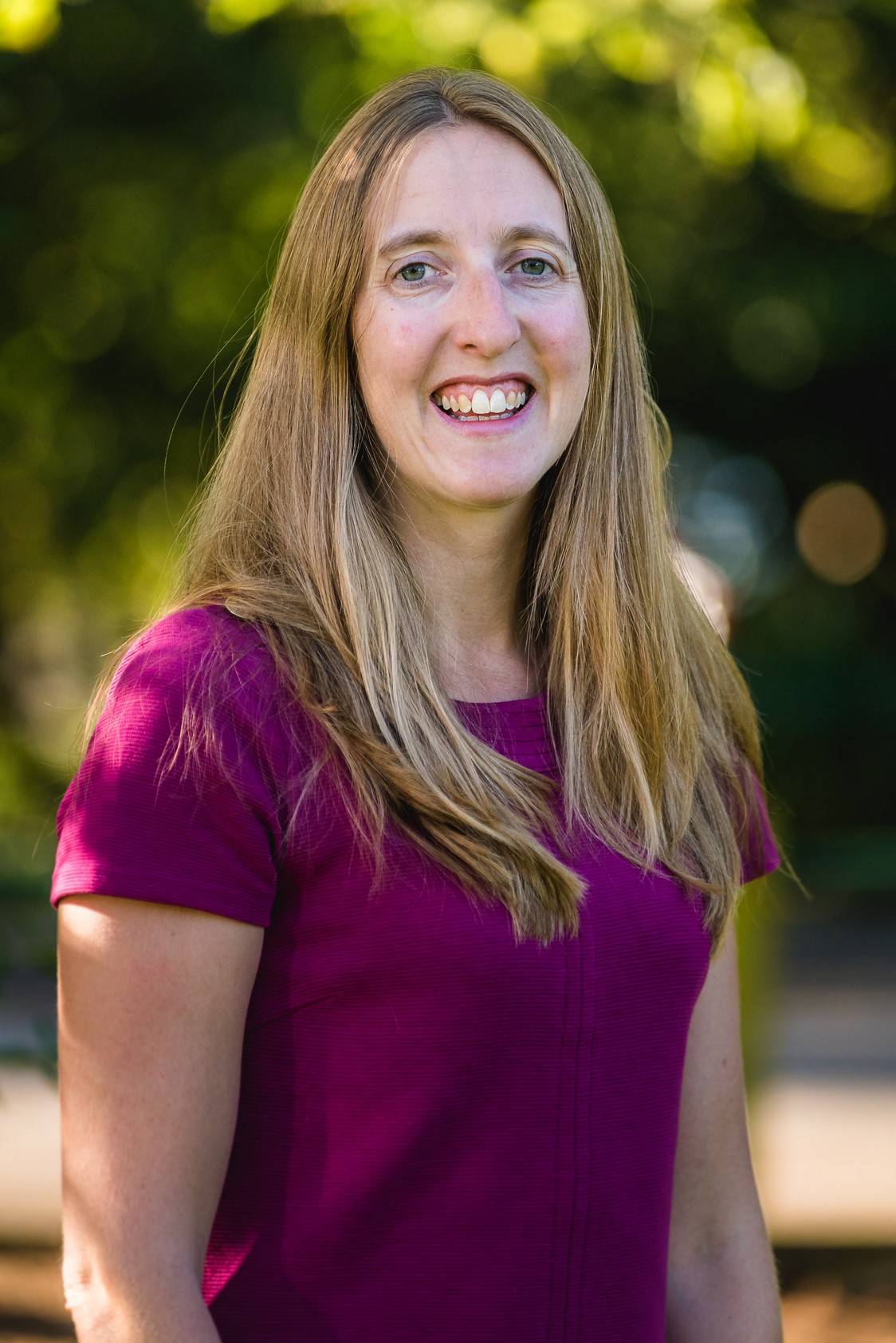
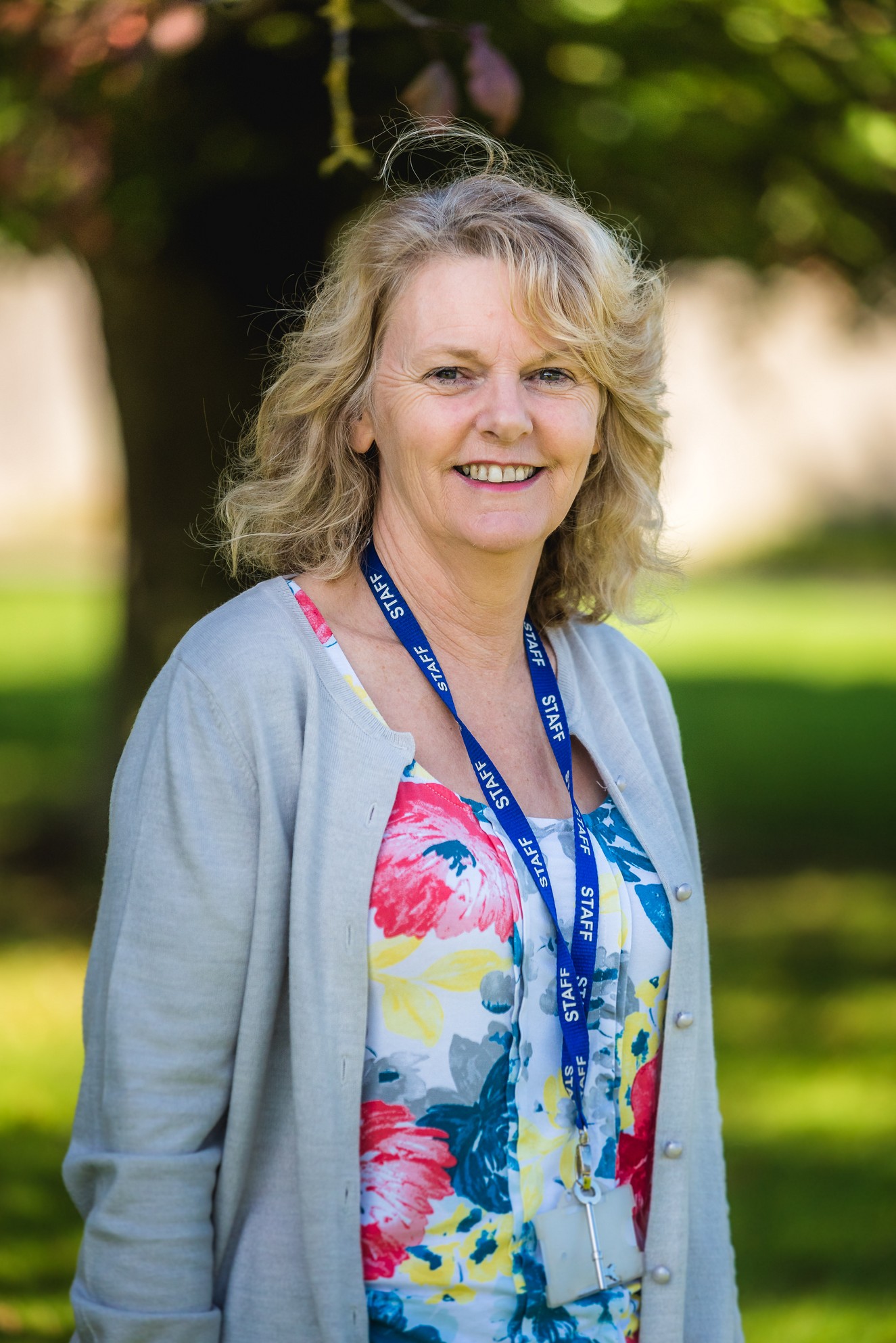
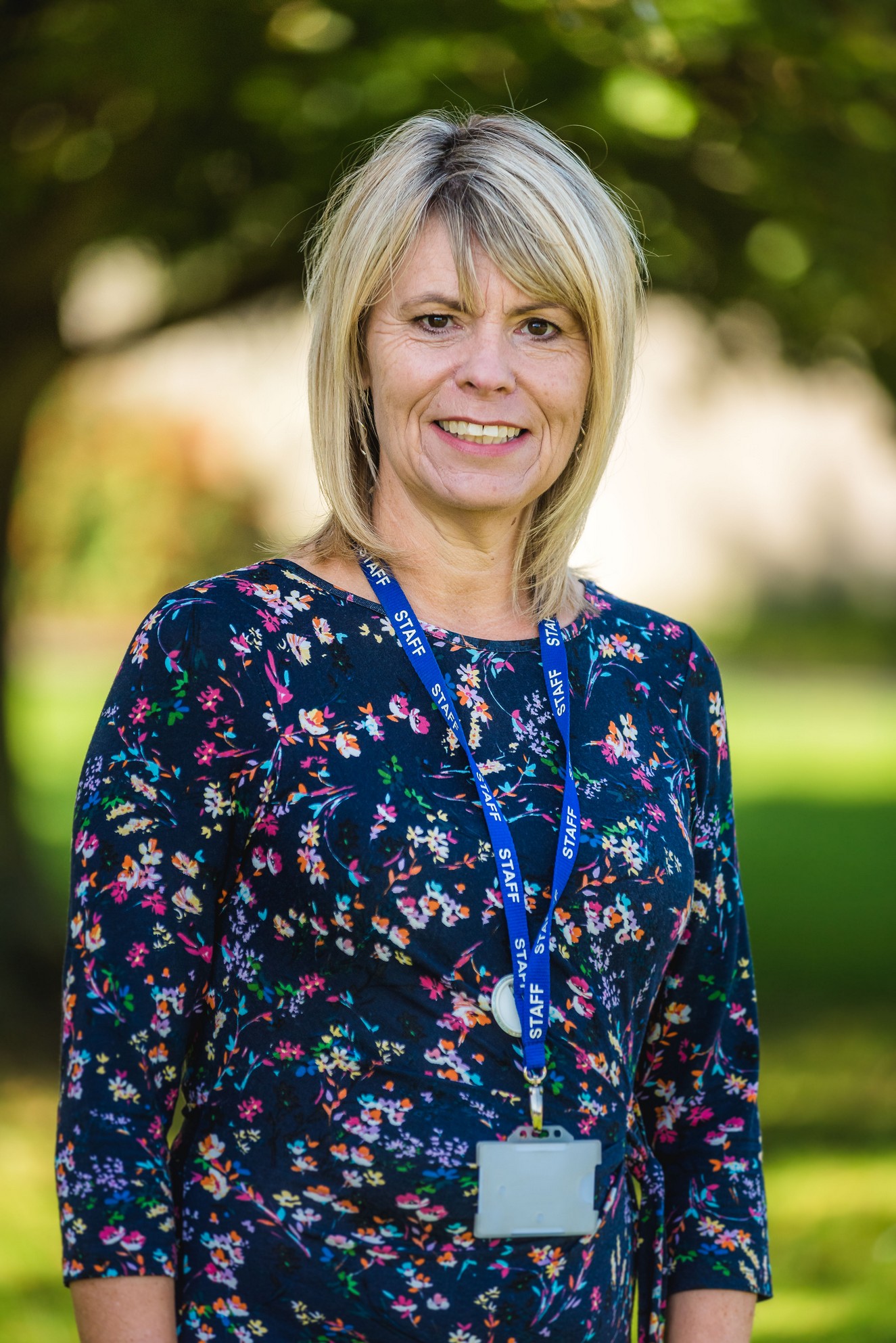
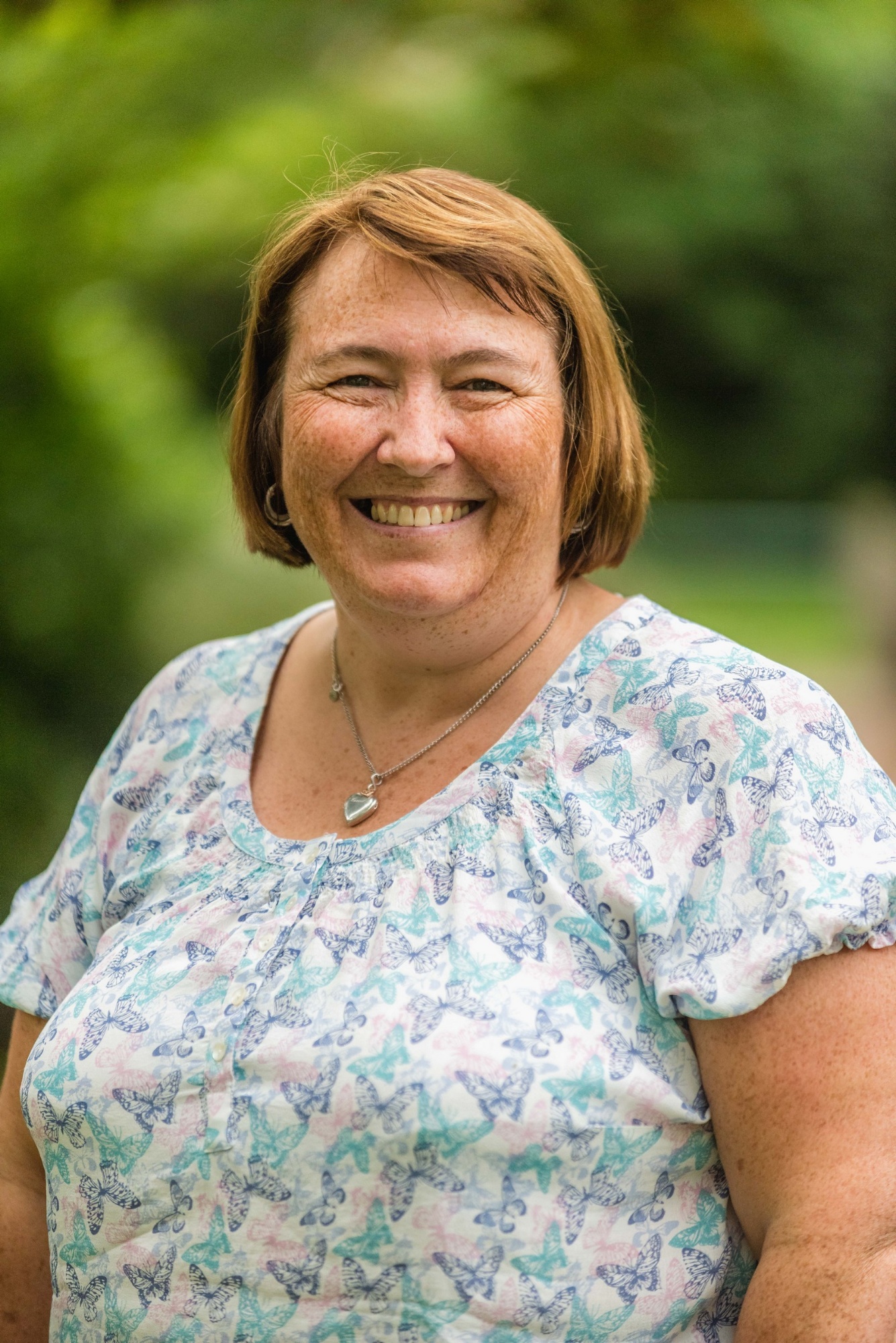
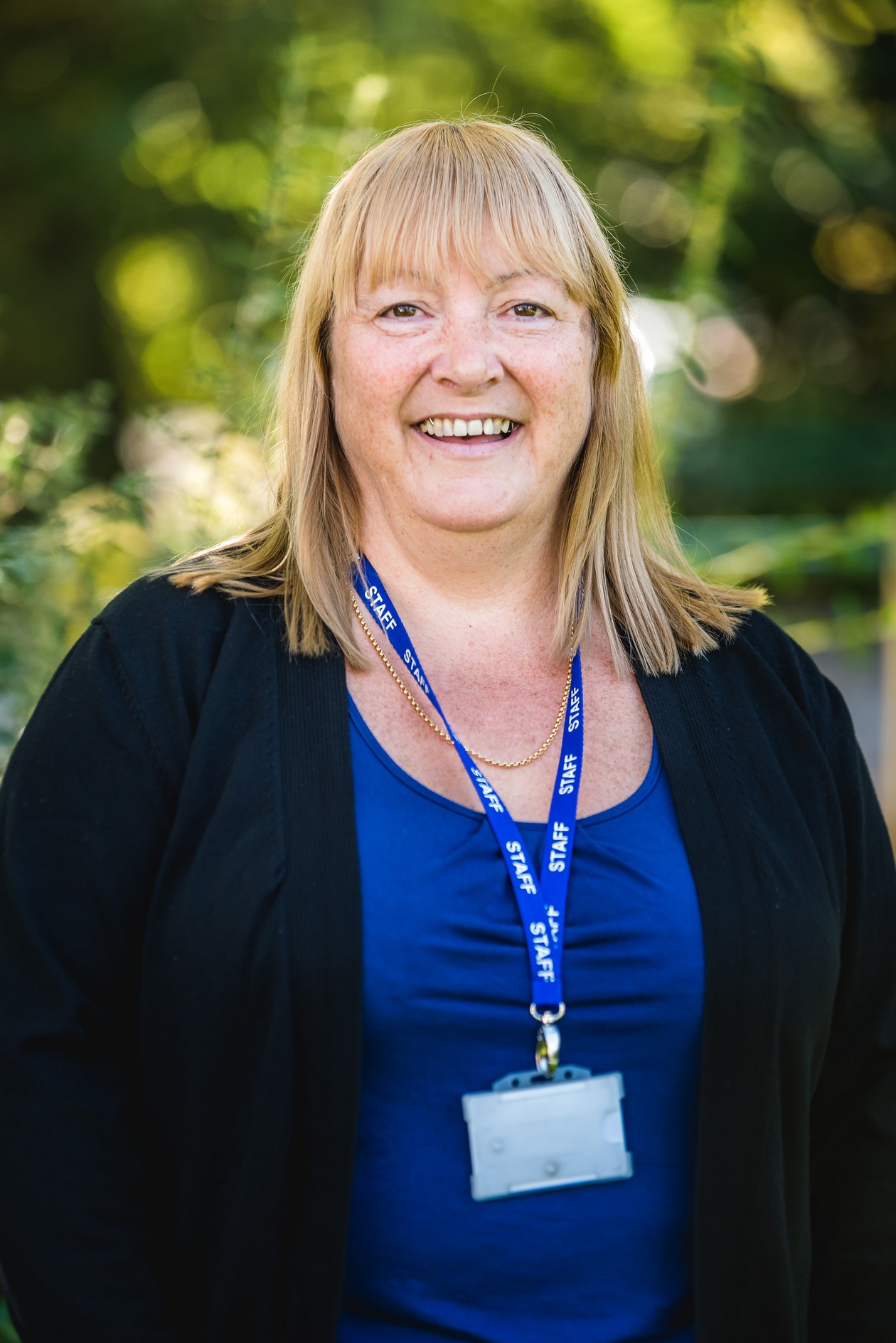
Visitors are given a copy of our safeguarding leaflet and visitors who have a concern about a student should contact the main reception in the first instance as soon as possible. We have a designated team of safeguarding officers who will follow up promptly (pictured below).
Top row left to right: Rachael Mustill (AP & Lead Officer), Lynn Riches, Sue Campbell & KJ Norton-Berry.
Lower row: Debbie Knott, Claire Lucas, Stuart Patman & Anita Lightfoot.



Policies
Our practice is informed by national government guidance outlined in these documents:
Safeguarding and Child Protection statement found here
Meridian Trust Safeguarding and Child Protection Policy found here
Keeping Children Safe in Education found here
PREVENT Guidance and Procedures found here
PREVENT Action Plan found here
Parent links and information
We work hard to ensure that students are safe in and outside of school when using the internet and social media. You can find more details here about our work on E-Safety and Mental Health.
Through our values, curriculum, house and PLEDGES systems we promote understanding and integrity, British values and kindness; addressing the dangers of extremism and promoting wellbeing and mental health.
When reporting bullying, we encourage students to talk to their tutor or House SSA.
You can find more details here regarding our pastoral care and mental well-being support links.
Other links that you may find useful:
|
Childline |
Advice, information and support |
|
Cambridgeshire & Peterborough Social Care |
https://safeguardingcambspeterborough.org.uk/concerned/ If you are a family member, friend, member of the public and have concerns for a child or adult at risk |
|
KOOTH |
Kooth is a free, online mental health support service for young people that offers 24/7 access to chat sessions with counsellors, as well as self-help resources |
|
NSPCC Keeping Children Safe |
https://www.nspcc.org.uk/keeping-children-safe/ Support and tips to help you keep children safe, from advice on children’s mental health to staying safe online |
|
Safeguarding Resource Hub |
https://www.safeguardingresourcehub.co.uk/index.php A free hub of national safeguarding resources to aid children, young people and all adults supporting them |
|
YoungMinds |
https://www.youngminds.org.uk/ Resource for parents and young people struggling with their mental health |
Child exploitation
What is CSE, Child Sexual Exploitation?
Child sexual exploitation (CSE) is a type of child sexual abuse. It occurs where an individual or group takes advantage of an imbalance of power to coerce, manipulate or deceive a child or young person under the age of 18 into sexual activity.
Children and young people in sexually exploitative situations and relationships are sometimes persuaded or forced to perform sexual activities or have sexual activities performed on them in return for gifts, drugs, money or affection. (NSPCC).
CSE can take place in person, online, or using a combination of both.
For further information click here (NSPCC) and contact the Ely College Safeguarding team If you have any concerns.
What is CCE, Child Criminal Exploitation?
Criminal exploitation is when an individual or a group manipulates, deceives, coerces or controls someone under the age of 18 to take part in any activity which breaks the law. All children are at risk of criminal exploitation, including girls.
You may have heard the term "county lines," this is one form of criminal exploitation. It is when people involved in criminal activity identify, target and befriend children, either online or offline, and manipulate them into dealing drugs or other activities across geographical areas.
Criminal exploitation can take many forms, from making children hold, hide or deliver drugs, money or weapons, to forcing children to steal, harm others or beg.
Children can also be exploited in other ways, such as through sexual exploitation. Sometimes a child can be exploited criminally and sexually at the same time.
Children may also have been trafficked around the UK or to the UK from another country and forced into child labour, modern slavery, or criminal activities (Barnardo’s).
For further information click here (Barnardo’s) and contact the Ely College Safeguarding team if you have any concerns.
What are County lines and CCE ?
"County lines" refers to a form of criminal exploitation in which drug gangs expand their operations from urban areas into smaller towns and rural locations. The term comes from the mobile phone lines gangs use to take drug orders. These operations often rely on vulnerable children and young people to transport and sell drugs (The Children’s Society).
For further information click here (The Children’s Society) and contact the Ely College Safeguarding team if you have any concerns.
Operation Encompass
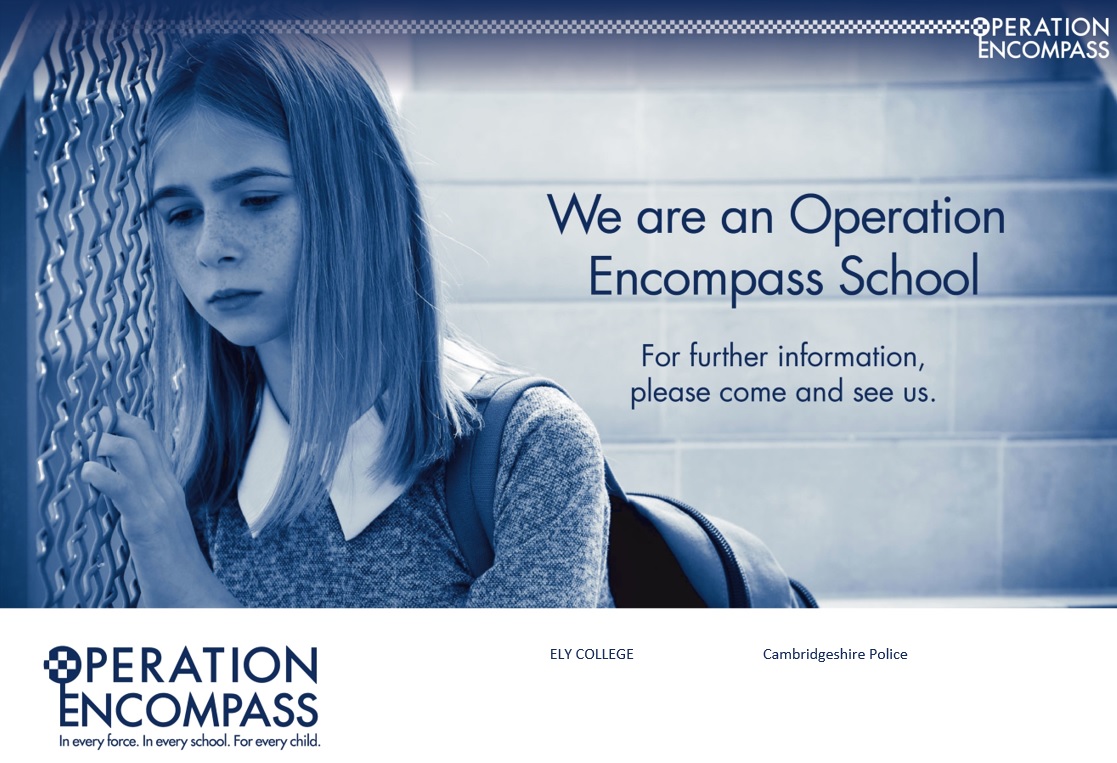
We are working in partnership with Cambridgeshire Police and Cambridgeshire County Council to identify and provide appropriate support to pupils who have experienced domestic abuse in their home; this scheme is called Operation Encompass.
In order to achieve this, Cambridgeshire’s Education Safeguarding Team will share police information of all domestic incidents, where one of our pupils has been present, with the Designated Safeguarding Lead(s) (DSL)/Domestic Abuse (DA)Lead. On receipt of any information, the DSL/DA Lead will decide on the appropriate support the child may require.
The Operation Encompass information is stored in line with all other confidential safeguarding and child protection information. All information sharing and resulting actions will be undertaken in accordance with the ‘Cambridgeshire and Peterborough Joint Agency Protocol for Domestic Abuse – Notifications to Schools, Colleges and Early Years settings’.
Government Definition of Domestic Abuse and Violence:
Any incident or pattern of incidents of controlling, coercive, threatening behaviour, violence or abuse between those aged 16 or over who are, or have been, intimate partners or family members regardless of gender or sexuality. The abuse can encompass, but is not limited to:
- psychological
- physical
- sexual
- financial
- emotional
Controlling behaviour
Controlling behaviour is a range of acts designed to make a person subordinate and/or dependent by isolating them from sources of support, exploiting their resources and capacities for personal gain, depriving them of the means needed for independence, resistance and escape and regulating their everyday behaviour.
Coercive behaviour
Coercive behaviour is an act or a pattern of acts of assault, threats, humiliation and intimidation or other abuse that is used to harm, punish, or frighten their victim.
1 in 5 children have been exposed to domestic abuse and it is present in 60% of all serious case reviews. It is estimated that children are present in 80% of incidents.
Peer-on-peer child abuse
Peer-on-peer child abuse is a term used to describe children abusing other children.
Peer-on-peer child abuse can include:
- bullying (including online bullying and bullying because of someone’s race, religion, sexuality, disability or trans status)
- abuse by your girlfriend, boyfriend or partner
- physical abuse
- sexual violence, such as rape and sexual assault
- sexual harassment
- sharing naked or semi-naked photos or videos without permission
- upskirting
- initiation/hazing type violence and rituals to harass, abuse and humiliate
- emotional abuse
- financial abuse
- coercive control
For further information click here (Cambridgeshire Constabulary) or speak to a member of the Ely College Safeguarding team.
Child missing from education
A child is missing from education (CME) when they are of compulsory school age of 5 to 16 years old and:
- not registered on a school roll
- not attending an alternate education provision
A child is not missing from education if they are:
- being Electively Home Educated (EHE)
- registered on a school roll and their whereabouts known, but not attending school
A child may become missing from education when:
- they failed to start in Reception Year at a school
- they did not transfer from one school to another. For example, when moved to / from another Local Authority area
- they failed to transfer into a secondary or middle school
- they have been permanently excluded from school
- they have failed to register in a school after travelling / living overseas
- their parent(s) are military personnel
- they are part of a travelling community (Cambridgeshire County Council)
For further information click here (Cambridgeshire County Council) or speak to a member of the Ely College Attendance Team or your House Office.